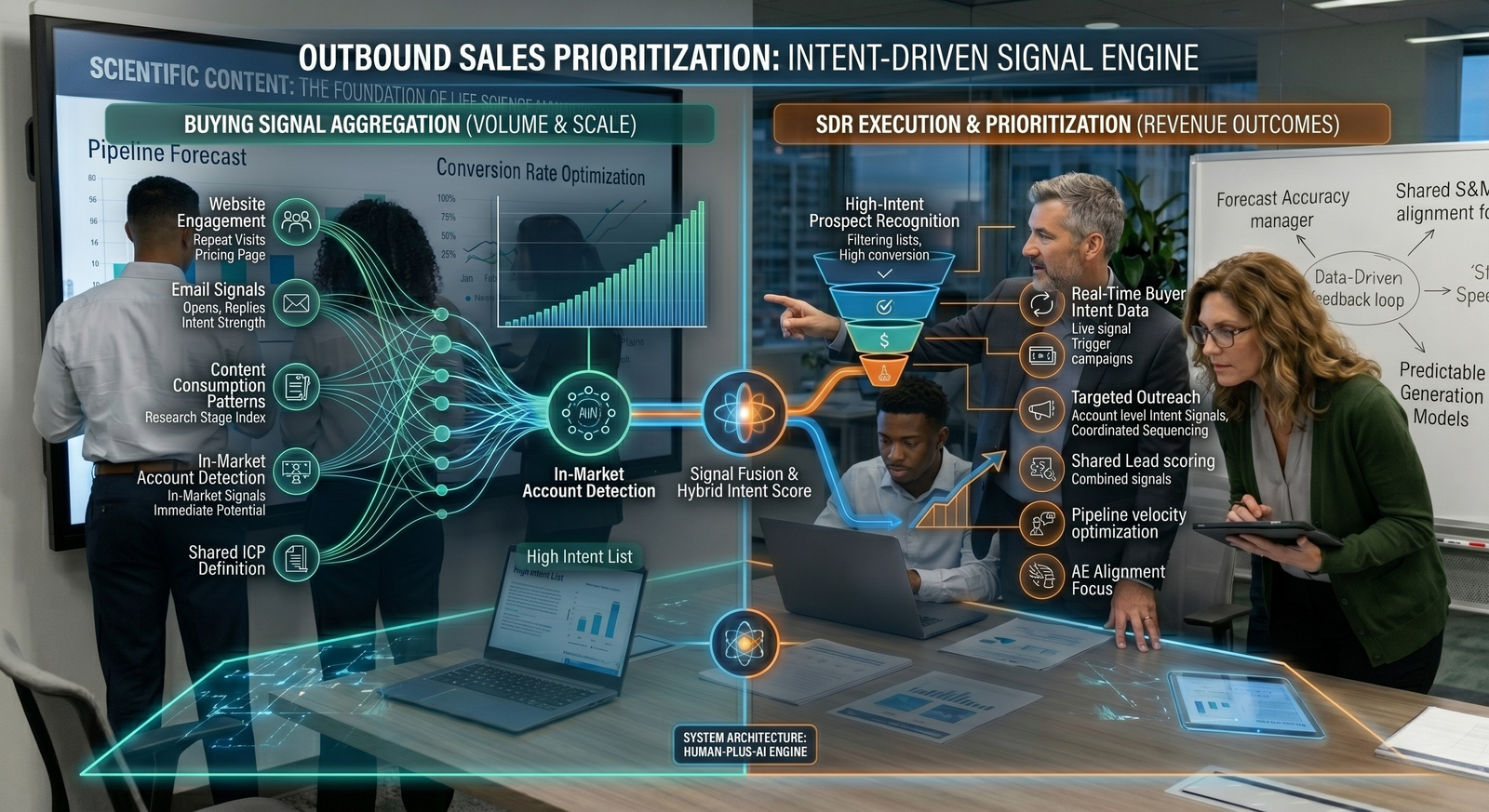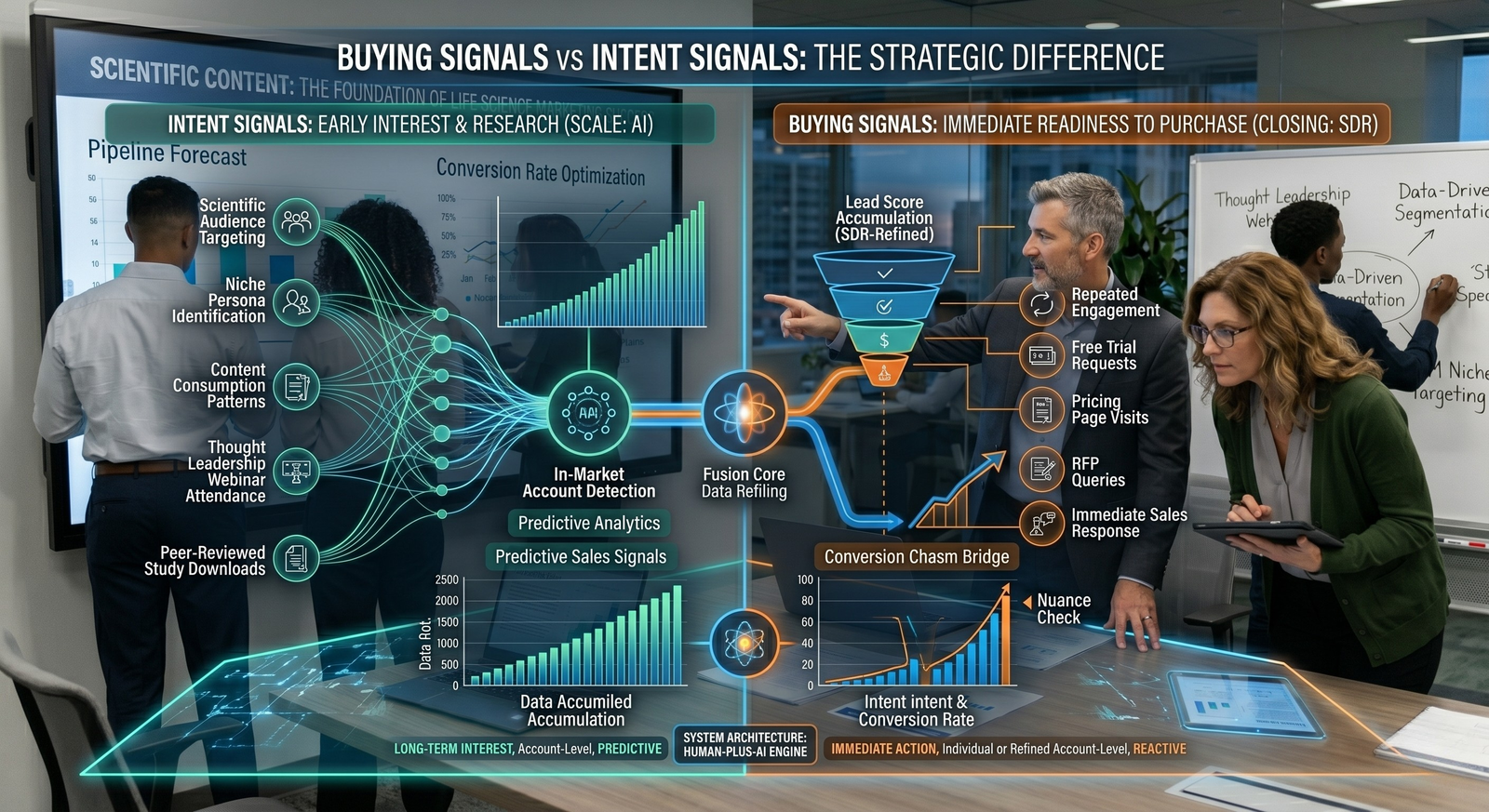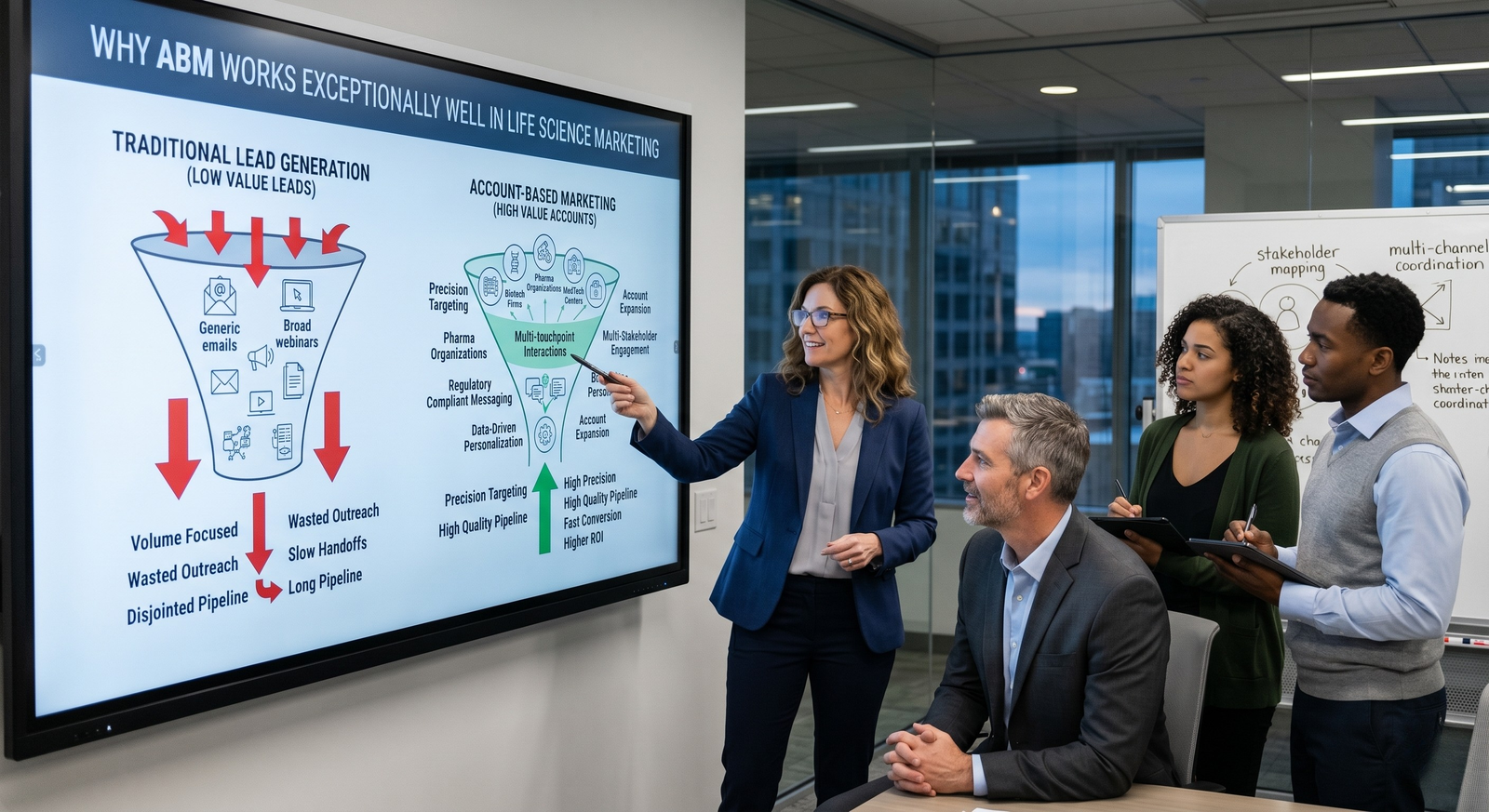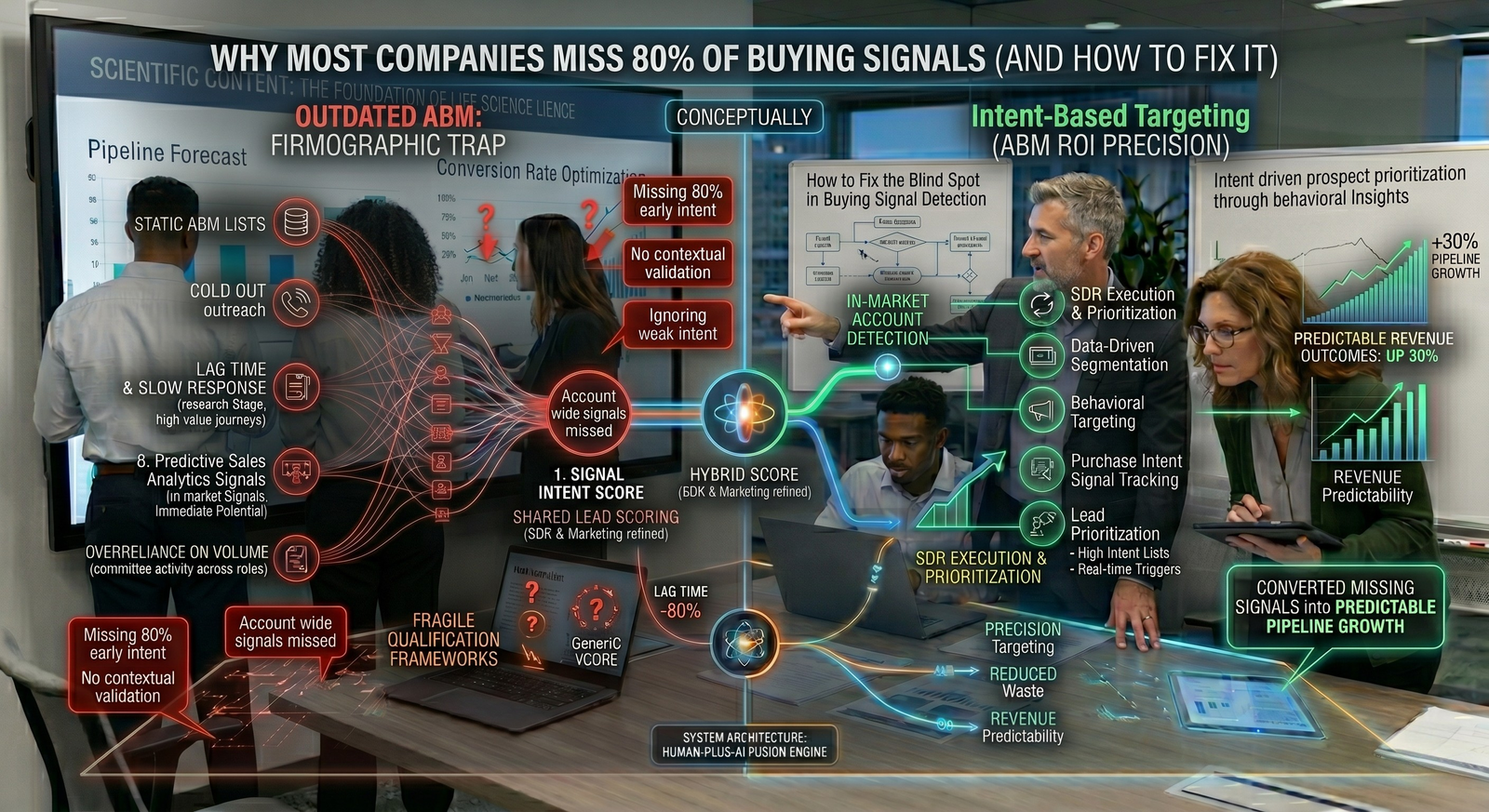
How Intent Based Targeting Improves ABM ROI
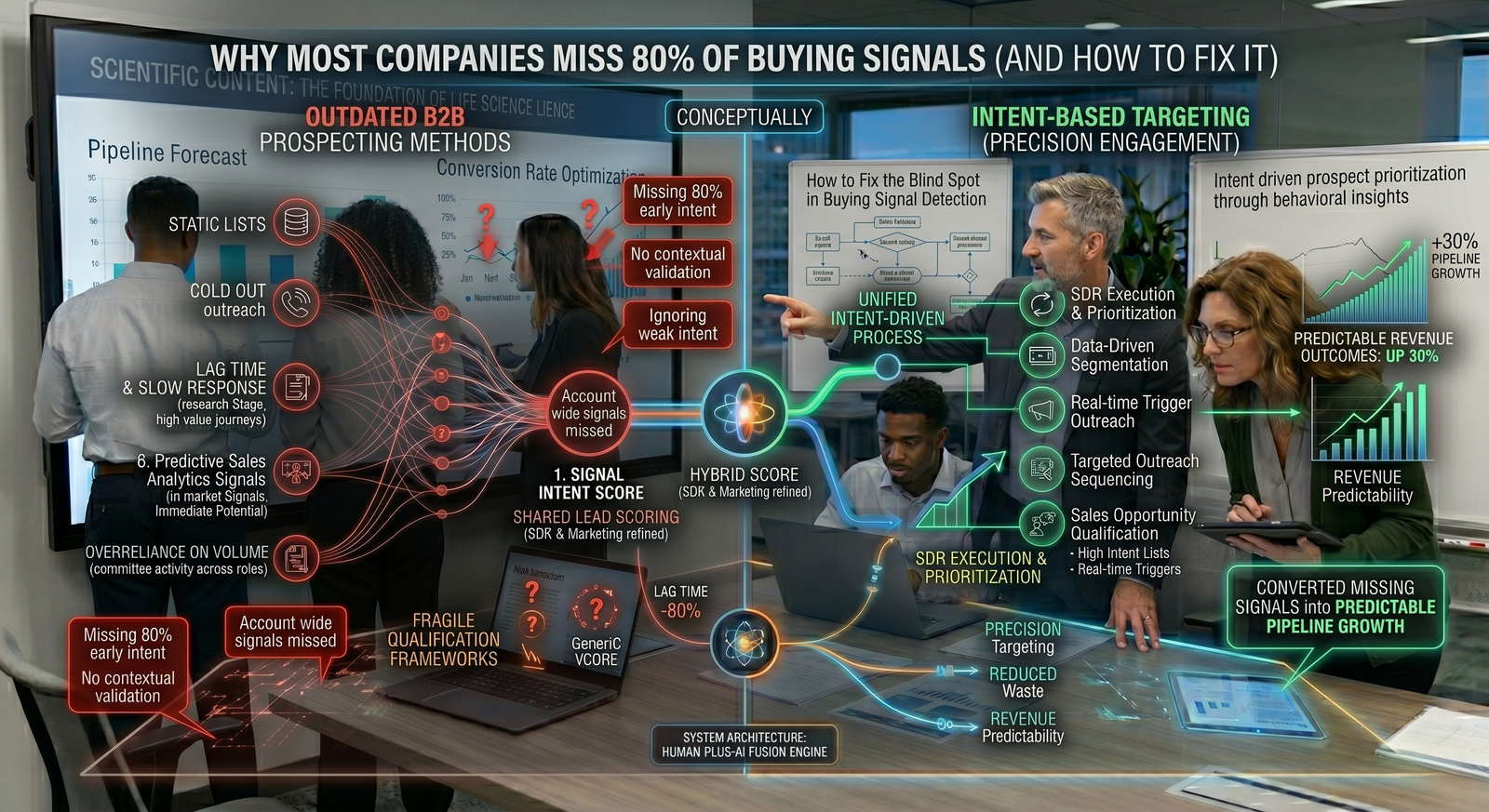
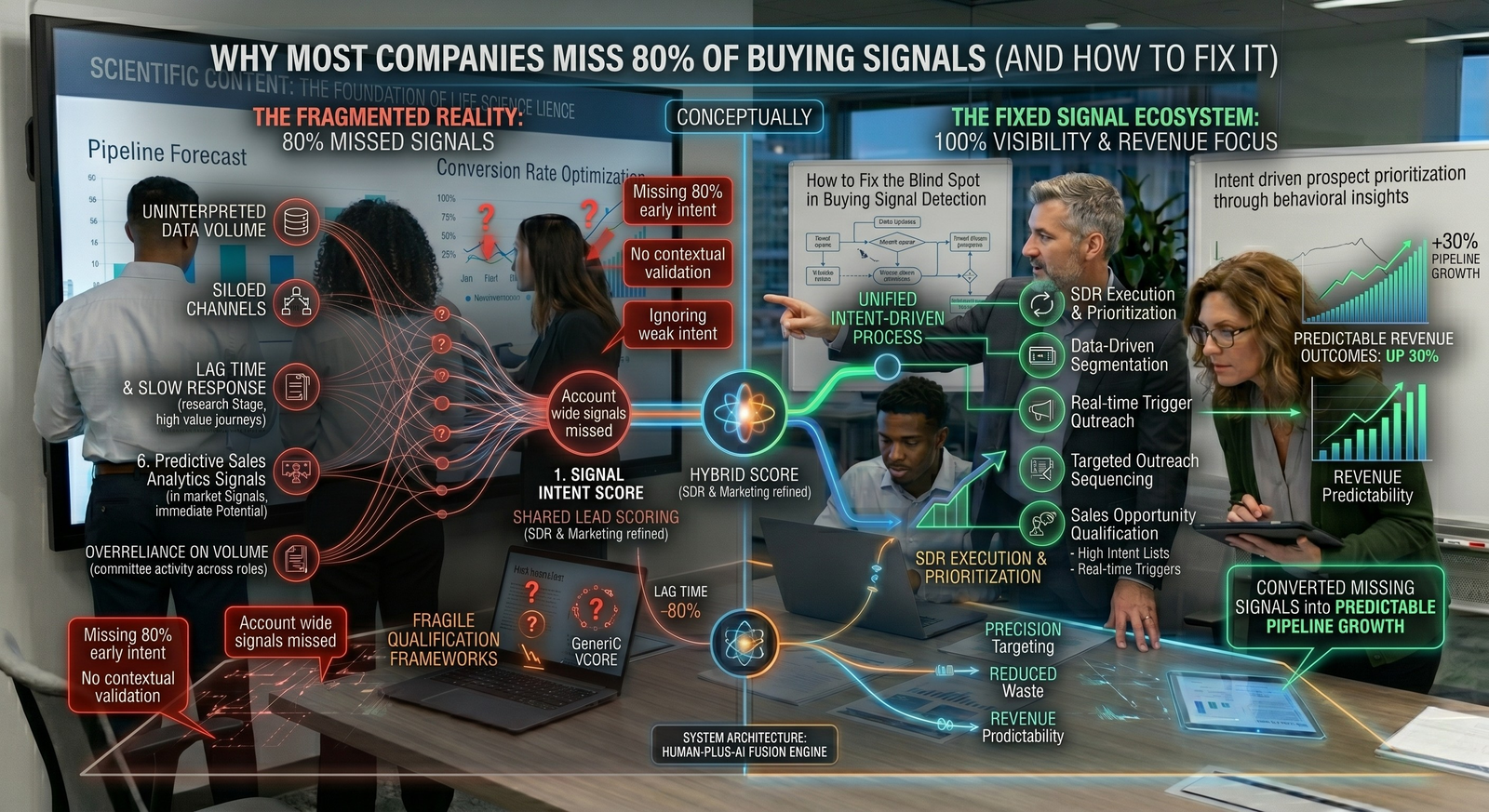
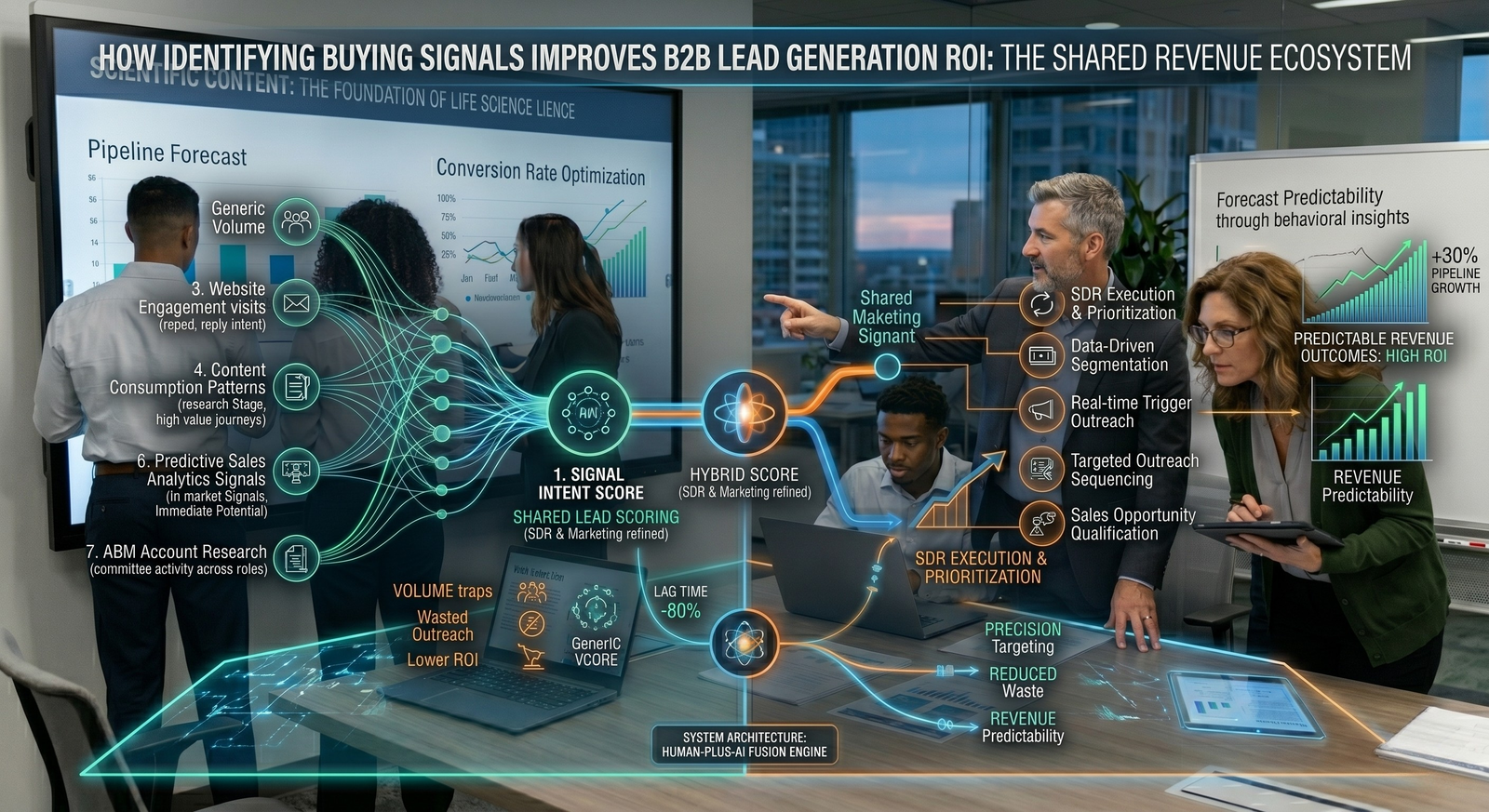
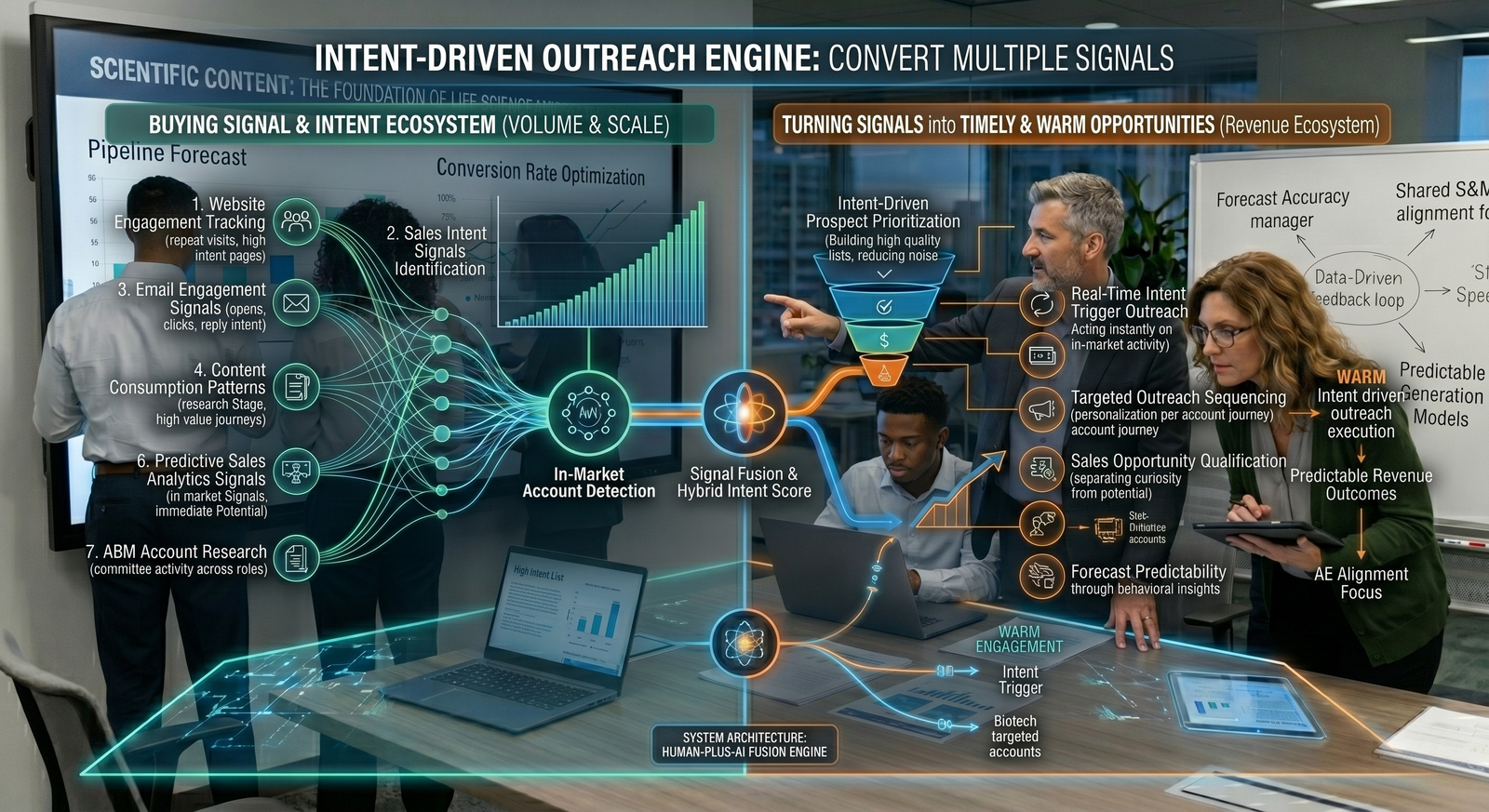
Account Based Marketing (ABM) is designed to focus resources on high value accounts, but many teams still struggle to turn that focus into consistent revenue. The problem is not ABM itself, but how it is executed. Most ABM programs rely heavily on firmographic fit, such as industry, company size, or revenue. While useful, this approach does not tell you whether an account is actually ready to buy. Intent based targeting solves this gap by adding behavioral intelligence into the equation. Instead of guessing which accounts matter, teams can see which ones are actively researching, comparing solutions, or showing early purchase behavior. This shift improves both efficiency and ROI. Why Intent Based Targeting Is a Game Changer for ABM Performance Intent based targeting fundamentally improves ABM because it replaces assumptions with real behavioral evidence. Instead of focusing only on “ideal accounts,” teams can prioritize “active accounts.” How intent-based targeting strategy strengthens account based marketing outcomes Intent data allows ABM programs to move from static planning to dynamic execution. Campaigns are no longer based solely on predefined lists, but on real time activity signals. In practice, this means marketing and sales teams can focus on accounts already engaging with relevant topics, competitors, or product categories. This improves relevance and increases conversion probability. Moving from broad ABM lists to behavior driven precision Traditional ABM often begins with large target lists that include many “potential” accounts. The issue is that potential does not equal readiness. Intent based targeting narrows this list by identifying accounts that are actively engaging in research behavior. This creates a smaller but significantly more valuable pipeline. Why traditional ABM often underperforms without intent data Without intent signals, ABM campaigns often rely on timing guesswork. Teams may engage accounts months before they are ready, leading to low response rates and wasted effort. The result is predictable: high spend, low conversion, and long sales cycles that never fully optimize. The direct link between intent signals and revenue efficiency Intent signals improve ROI because they align outreach with timing. When you reach an account during active research, engagement rates naturally increase. This leads to: Shorter sales cycles Higher conversion rates Lower acquisition cost per account The improvement is not just incremental, it compounds across the entire funnel. B2B Buyer Intent Data Targeting in Account Based Marketing Intent data is the foundation of modern ABM targeting because it shows what accounts are actually doing, not just who they are. How B2B buyer intent data targeting improves account selection Instead of selecting accounts based only on profile fit, intent data adds behavioral evidence such as: Topic research activity Competitor comparisons Content consumption patterns This creates a more accurate view of real buying potential. Filtering out low value accounts before campaign launch One of the biggest advantages is prevention of wasted effort. Accounts with no engagement signals can be removed before campaigns even begin. This improves efficiency across both marketing and sales teams. Enhancing ABM accuracy through behavioral insights Behavioral data reveals where an account is in the buying journey. Two companies may look identical on paper, but one may be actively researching while the other is inactive. Intent data removes this ambiguity. Reducing wasted marketing spend with intent driven selection When campaigns focus only on engaged accounts, budget allocation becomes significantly more efficient. Every dollar is directed toward accounts with higher probability of conversion. High Intent Account Targeting for Better ABM ROI High intent accounts represent the highest probability revenue opportunities in any ABM strategy. How high-intent account targeting increases conversion rates Accounts showing repeated engagement across multiple touchpoints are far more likely to respond to outreach. This includes: Multiple website visits Content downloads Webinar or demo interactions These patterns signal readiness, not curiosity. Prioritizing accounts showing active buying behavior Intent signals allow teams to prioritize accounts already in evaluation mode. This ensures sales energy is focused where deals are most likely to close. Aligning sales and marketing on revenue ready accounts When both teams work from the same intent-based list, alignment improves naturally. Marketing drives awareness, while sales focuses on conversion. Improving pipeline quality through intent signals Instead of inflating the pipeline with low quality leads, intent-based targeting ensures that only meaningful opportunities enter the funnel. Predictive Audience Targeting for Scalable ABM Growth Predictive targeting takes intent further by forecasting future buyers. How predictive audience targeting identifies future buyers By analyzing historical conversion patterns, predictive models can identify accounts that are likely to enter the buying cycle soon. This allows teams to engage earlier, before competitors do. Using historical and behavioral data for forecasting Predictive systems combine: Past conversion data Real time engagement signals Firmographic attributes This creates a more complete view of future opportunity potential. Expanding ABM reach with predictive insights Instead of only focusing on current in-market accounts, teams can expand targeting to future high value accounts. This supports long term pipeline growth. Improving ROI through smarter audience modeling Predictive targeting reduces wasted outreach by focusing on accounts with the highest likelihood of conversion over time. Intent Driven Account Based Marketing (ABM) Strategy Intent driven ABM ensures that messaging is aligned with actual buyer behavior. How intent-driven account-based marketing (ABM) improves campaign precision Campaigns become more relevant because they reflect what the account is actively interested in, rather than generic messaging. Aligning messaging with real buyer intent signals If an account is researching a specific problem, messaging can directly address that pain point. This increases engagement significantly. Increasing engagement through personalized ABM outreach Personalization becomes more effective when it is based on real behavioral data rather than assumptions. Driving higher conversion rates from targeted accounts When relevance increases, friction decreases. This leads to higher conversion rates across ABM campaigns. In Market Buyer Identification for ABM Efficiency In market accounts are already in decision mode, making them the most valuable targets. How in-market buyer identification improves targeting accuracy It separates passive fit from active demand. This ensures effort is focused on real opportunities. Detecting accounts actively researching solutions Signals like repeated keyword