


Please enter subscribe form shortcode

The Future of Intent-Based Marketing in the AI Era

The future of B2B growth is being rewritten in real time. As buying journeys become more digital, fragmented, and self-directed, companies are shifting toward intent-based marketing as the foundation of modern revenue strategy. Instead of relying on static lists, assumptions, or past behavior, teams now use AI-powered systems to detect real-time buyer intent and predict where demand is emerging. This shift is not incremental—it is structural. We are moving from “who fits our ICP” to “who is actively in-market right now—and how fast can we engage them?” The Evolution of Intent-Based Marketing in the AI Era Understanding the modern intent-based marketing definition Intent-based marketing is the practice of using behavioral signals—such as content engagement, search activity, and digital interactions—to identify accounts actively researching solutions. It replaces demographic targeting with behavioral intelligence. How AI is reshaping B2B growth strategies AI has fundamentally changed how teams interpret buyer behavior. Instead of manually analyzing signals, systems now process millions of data points across channels to surface high-intent accounts in real time. The shift from static targeting to dynamic buyer intelligence Traditional targeting frameworks relied on fixed ICP lists. Today, AI enables dynamic targeting that updates continuously based on live buyer activity. This means accounts move in and out of priority status depending on intent signals—not assumptions. Why intent data is becoming a core competitive advantage In crowded B2B markets, timing determines outcomes. Companies that detect intent earlier gain first access to buyers, influence evaluation criteria, and shape deal direction before competitors even enter the conversation. B2B Buyer Intent Data Will Power the Next Generation of Sales The growing importance of B2B buyer intent data in revenue teams Revenue teams are increasingly dependent on B2B buyer intent data to identify accounts that are actively evaluating solutions. This data is now central to pipeline creation and prioritization. How purchase intent signals are becoming more accurate and real-time Modern systems track behavioral signals in real time—such as repeat visits, content depth, and cross-channel engagement—creating highly accurate intent profiles. Using buyer signals to understand evolving customer journeys Buyer journeys are no longer linear. Intent signals help teams reconstruct fragmented journeys across multiple stakeholders and channels. Why intent-driven systems outperform traditional prospecting models Intent-driven systems focus on actual behavior, not assumptions—making them significantly more accurate than static prospecting models. Real-Time Buyer Behavior Tracking Will Define Modern Sales The rise of real-time buyer behavior tracking in enterprise systems Real-time tracking allows companies to observe when accounts engage, what they engage with, and how often they return. How AI improves visibility into buyer journeys AI connects scattered signals across platforms into unified account journeys, revealing patterns that humans cannot easily detect. Turning engagement patterns into actionable insights Engagement data is only useful when it translates into action—such as prioritizing outreach or triggering campaigns. Why timing will matter more than volume in outreach In the future, success will depend less on how many accounts you contact and more on when you contact them. Early Purchase Intent Detection Will Become Standard Practice Why early purchase intent detection will drive future sales success Early detection allows teams to engage buyers before they enter active vendor evaluation—maximizing influence over the buying process. Using account intent monitoring to identify demand earlier Account monitoring tools detect early-stage research behavior, signaling emerging demand before traditional CRM systems capture it. Detecting buyer readiness before competitors enter the pipeline The earliest signals often represent the highest-value opportunities because they appear before competitive saturation. Converting early signals into proactive engagement strategies Once intent is detected early, teams can shift from reactive outreach to proactive engagement strategies. Predictive Marketing Will Replace Reactive Prospecting The role of predictive marketing strategies in modern outbound Predictive marketing uses historical and real-time intent data to forecast which accounts are most likely to enter the market. How AI improves forecasting of buyer behavior AI identifies behavioral patterns across similar accounts to predict future purchasing intent with increasing accuracy. Moving from reaction-based to intent-driven lead generation Instead of responding to inbound activity, teams proactively engage accounts predicted to be in-market soon. Increasing accuracy in high-intent prospect identification Predictive models improve targeting precision by filtering out low-probability accounts. High-Intent Prospect Identification at Scale Improving high-intent prospect identification with AI systems AI systems evaluate thousands of accounts simultaneously, ranking them based on behavioral intensity and engagement frequency. Filtering noise from large B2B datasets Not all engagement signals are meaningful. AI helps filter irrelevant data and surface only high-value intent patterns. Targeting in-market buyers with precision models Precision models ensure outreach is focused only on accounts actively demonstrating buying behavior. Reducing wasted outreach through smarter prioritization By focusing on high-intent accounts, teams reduce wasted effort and improve conversion efficiency. Account-Based Marketing Will Become Fully Intent-Driven Enhancing data-driven account-based marketing (ABM) with AI insights ABM strategies are becoming increasingly dependent on intent data to prioritize target accounts. Coordinating campaigns around active buying behavior Campaigns are now triggered by behavior—not just pre-planned schedules. Using behavioral targeting in B2B marketing for precision engagement Behavioral targeting ensures messaging aligns with what accounts are actively researching. Aligning ABM with real-time intent intelligence Real-time intelligence allows ABM programs to adapt dynamically as buyer behavior changes. Intent Data Platforms Will Become the Core of Revenue Tech Stacks How intent data platforms centralize buyer intelligence Intent platforms unify behavioral data across channels into a single source of truth. Integrating intent signals into CRM and RevOps systems Modern revenue teams embed intent data directly into CRM workflows for real-time decision-making. Automating targeting and qualification workflows Automation enables instant scoring, routing, and prioritization of high-intent accounts. Scaling outbound through unified intent infrastructure Unified infrastructure allows teams to scale outreach without losing precision or relevance. Intent Signal Analysis Will Drive Smarter Lead Qualification Using intent signal analysis for lead qualification at scale Intent signal analysis replaces manual qualification with automated behavioral scoring systems. Differentiating active buyers from passive researchers Advanced models distinguish between casual engagement and true purchase intent. Improving pipeline quality through behavioral insights Behavioral insights ensure only qualified,

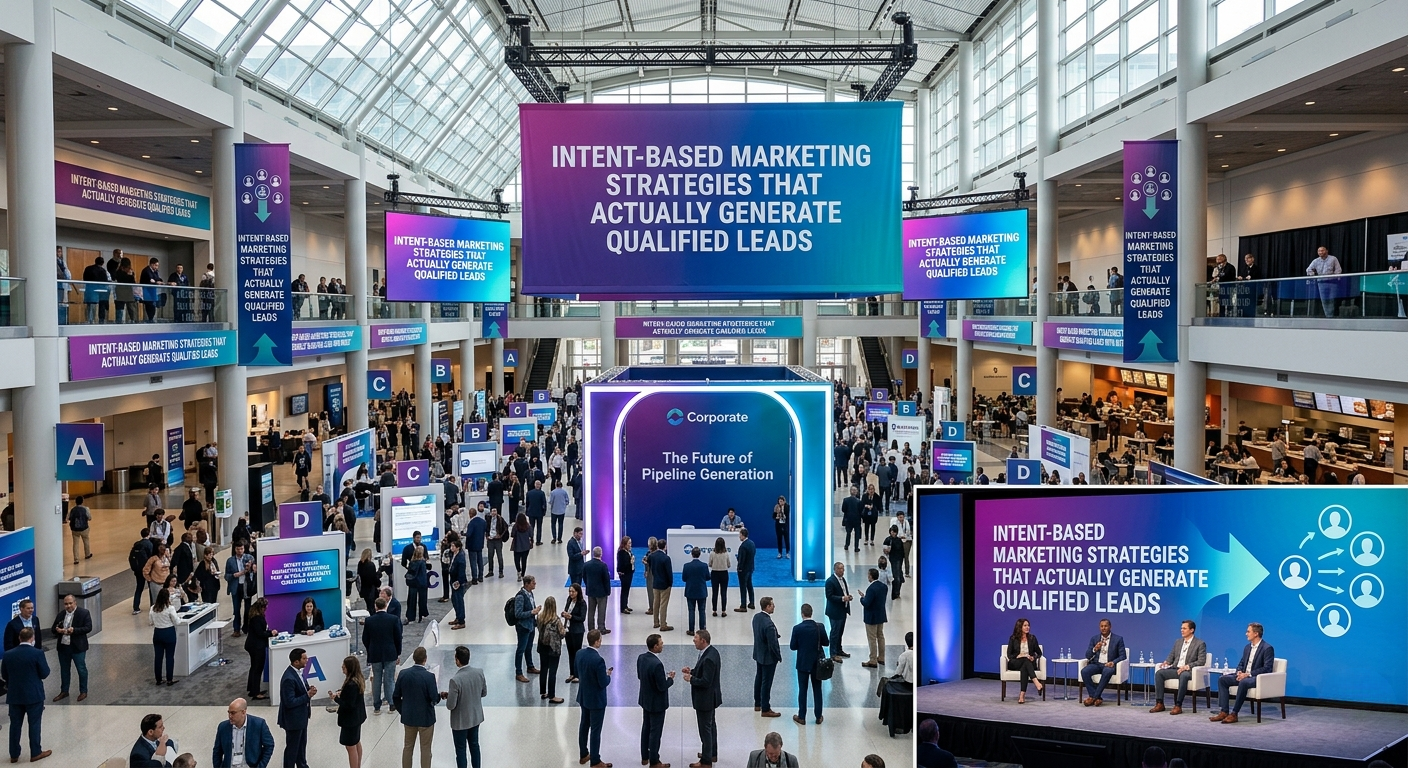
AI vs Human Judgment in Intent-Based Marketing

The rise of intent-based marketing has transformed how B2B companies identify, prioritize, and engage buyers. What once relied heavily on human intuition and static targeting is now increasingly powered by AI systems that analyze behavioral signals at scale. But as automation becomes more advanced, a critical question emerges: Should intent-driven decisions be led by AI, or should human judgment still guide the process? The answer isn’t binary. In modern go-to-market teams, success depends on understanding where AI excels—and where human interpretation still outperforms machines. This tension between speed and context is now one of the defining challenges in B2B growth strategy. The Core Debate in Modern Intent-Based Marketing Understanding the modern intent-based marketing definition Intent-based marketing is the practice of using behavioral data—such as content engagement, search behavior, and cross-channel activity—to identify accounts actively researching solutions. It moves marketing from demographic targeting to behavioral intelligence. Why decision-making in B2B sales is becoming more data-driven B2B buyers leave behind digital signals long before speaking to sales. As a result, companies increasingly rely on data systems to detect patterns that indicate buying intent. This has made decision-making faster, but also more dependent on interpretation models. The tension between automation and human intuition in marketing AI can process massive volumes of intent signals, but it lacks context. Humans can interpret nuance, but struggle to scale. This creates a natural tension between efficiency and understanding in modern marketing systems. How AI is reshaping competitive advantage in outbound strategy Companies using AI-driven intent systems can identify in-market accounts earlier, prioritize outreach faster, and personalize messaging at scale—creating a significant advantage in crowded markets. What AI Brings to Intent-Based Marketing Using B2B buyer intent data for large-scale analysis AI excels at processing large datasets across thousands of accounts, identifying patterns that would be impossible to detect manually. How AI interprets purchase intent signals across channels Machine learning models analyze engagement across ads, websites, search behavior, and third-party platforms to detect purchase intent signals. The role of real-time buyer behavior tracking in predictive systems Real-time tracking allows AI to continuously update account scores based on live engagement, improving responsiveness in outreach strategies. Leveraging intent data platforms for faster decision-making Intent platforms enable automated prioritization, ensuring that high-potential accounts are immediately surfaced for sales and marketing action. Where Human Judgment Still Matters Most Why context matters beyond intent signal analysis for lead qualification Not all engagement signals indicate real buying intent. Humans are needed to interpret context—such as timing, industry dynamics, and account history. Human interpretation of nuanced buyer signals A spike in engagement might signal interest—or internal research for unrelated reasons. Human judgment helps differentiate between signal and noise. Adjusting messaging beyond algorithmic recommendations AI can suggest messaging themes, but humans refine tone, positioning, and empathy based on real buyer psychology. Balancing behavioral targeting in B2B marketing with real-world insight Effective targeting requires combining data insights with market awareness, competitive positioning, and deal-level understanding. Early Purchase Intent Detection: AI Speed vs Human Context How AI improves early purchase intent detection AI systems can detect early-stage research behavior across multiple channels, surfacing accounts before they enter traditional sales pipelines. Human validation of account intent monitoring outputs Sales teams validate whether detected signals represent real opportunities or false positives. Combining automation with experience in identifying real opportunities The strongest systems combine AI detection with human review to ensure accuracy in prioritization. Reducing false positives in high-intent prospect identification Human oversight helps reduce wasted outreach by filtering accounts that show surface-level but non-actionable engagement. High-Intent Prospect Identification: Who Decides Better? AI-driven high-intent prospect identification at scale AI can rank thousands of accounts based on engagement depth, frequency, and behavioral consistency. Human refinement of intent-based targeting decisions Humans refine these lists by adding strategic context such as deal size, relationship history, or competitive landscape. Using account intent monitoring alongside sales expertise Sales teams use intent data as input—not final judgment—to prioritize outreach. Improving prioritization with hybrid intelligence models The most effective systems combine machine scoring with human override mechanisms for precision targeting. Timing Outbound Campaigns: Algorithm vs Experience AI-powered predictive marketing strategies for outreach timing AI predicts optimal outreach timing based on historical engagement patterns and behavioral trends. Human judgment in interpreting buying urgency Humans assess urgency based on external signals like funding, leadership changes, or strategic initiatives. Aligning campaigns with real buyer readiness signals Timing improves when AI signals are matched with real-world business context. Why timing outbound campaigns impacts conversion outcomes Even small improvements in timing can significantly increase engagement and conversion rates in ABM and outbound campaigns. AI in Intent-Driven Lead Generation vs Human Strategy Scaling intent-driven lead generation with AI systems AI enables teams to scale lead generation by automatically identifying and scoring thousands of potential accounts. Human-led refinement of targeting in-market buyers Humans refine targeting strategies to ensure alignment with revenue goals and ICP fit. Improving efficiency while preserving message relevance AI improves speed, but human input ensures messaging remains relevant and context-aware. Reducing noise in automated prospecting pipelines Human oversight filters out irrelevant or low-quality signals, improving pipeline quality. Account-Based Marketing (ABM): Data vs Decision-Making Enhancing data-driven account-based marketing (ABM) with AI insights AI enhances ABM by identifying which target accounts are actively in-market. Human oversight in strategic account prioritization Strategic accounts often require human judgment due to long-term value, complexity, or relationship factors. Aligning sales and marketing through intent data Shared intent insights improve alignment between teams by creating a unified view of account readiness. Balancing automation with strategic account judgment The best ABM programs balance automated prioritization with human strategic decision-making. Personalized Outreach Using Buyer Intent: Machine vs Human Touch AI-generated personalized outreach using buyer intent AI can generate messaging based on behavioral triggers such as content consumption or product interest. Human refinement for tone, empathy, and relevance Humans refine messaging to ensure it feels natural, relevant, and aligned with brand voice. Avoiding overly automated or generic messaging Over-automation risks creating generic outreach that reduces trust and engagement. Increasing engagement through hybrid

The Role of AI in Intent-Based Marketing

Why AI Is Reshaping Intent-Based Marketing Modern B2B sales environments are becoming increasingly data driven, competitive, and fast moving. Buyers now complete a large portion of their research before ever speaking to a sales representative. Because of this shift, companies can no longer rely only on broad prospecting or static lead lists. This is where intent based marketing and artificial intelligence are transforming how revenue teams operate. Understanding the intent-based marketing definition in the AI era Intent based marketing refers to the practice of using buyer behavior signals and research activity to identify prospects that are actively exploring solutions. Instead of guessing who may be interested, companies can use behavioral insights to focus on accounts showing real buying intent. Artificial intelligence strengthens this process by analyzing massive volumes of buyer data in real time. AI can identify patterns, prioritize opportunities, and surface signals that humans may overlook. As a result, intent based marketing becomes faster, more scalable, and significantly more precise. Why modern B2B sales teams rely on AI for buyer intelligence Today’s sales teams operate in environments where timing and relevance matter more than ever. AI helps organizations process buyer intelligence at a scale that manual research simply cannot achieve. AI powered systems can: • Track content consumption across digital channels • Detect changes in buyer research activity • Identify trending interests within target accounts • Prioritize accounts based on buying probability • Recommend the best timing for outreach This allows sales teams to focus on the right prospects instead of wasting time on low intent accounts. How AI creates a competitive advantage in outbound marketing The companies that identify demand first often gain a major advantage in outbound sales. AI helps businesses uncover active buyers before competitors recognize the opportunity. For example, AI can detect when multiple stakeholders from the same company begin researching similar topics. This often signals the beginning of an active buying cycle. Companies that respond quickly with relevant outreach are far more likely to secure early conversations and influence buying decisions. The growing role of automation in intent-driven lead generation AI powered automation also plays a critical role in scaling intent driven lead generation. Instead of manually reviewing data, teams can automate workflows that surface high intent accounts instantly. Automated systems can trigger alerts when: • A target account increases research activity • Buying intent surges around a specific solution category • Decision makers engage with competitor content • Website engagement spikes significantly This creates a more responsive and efficient prospecting process. How AI Analyzes Buyer Signals at Scale AI is especially valuable because of its ability to analyze enormous amounts of behavioral information quickly and accurately. Using AI to process massive volumes of B2B buyer intent data Modern buyers leave digital signals everywhere. They consume webinars, read articles, compare vendors, and research solutions across multiple channels. AI systems aggregate this information and transform it into actionable insights. Without AI, analyzing these behaviors across thousands of accounts would be nearly impossible. Identifying hidden purchase intent signals across digital channels Many important buying signals are subtle and difficult to identify manually. AI can detect patterns such as repeated topic searches, content engagement trends, and competitor comparisons. These signals help companies understand which prospects are moving closer toward a purchasing decision. Leveraging AI for real-time buyer behavior tracking Real time tracking gives sales teams the ability to act immediately when intent surges occur. Instead of waiting weeks to identify interest, teams can engage buyers while research activity is actively happening. This significantly improves outreach relevance and response timing. Detecting patterns humans would otherwise miss AI excels at pattern recognition. It can uncover correlations between behaviors that human analysts may overlook. For example, AI might identify that prospects who engage with certain technical content and attend specific webinars are more likely to convert within a short timeframe. These insights help improve targeting and campaign performance. AI and Early Purchase Intent Detection One of the biggest advantages of AI is its ability to identify buying intent early. How AI improves early purchase intent detection AI continuously monitors buyer behavior across channels and identifies signs of growing interest before direct inquiries occur. This enables companies to engage buyers during the research phase rather than after competitors have already entered the conversation. Predicting buying readiness through behavioral analysis Behavioral analysis allows AI systems to evaluate how close buyers may be to making decisions. Certain actions often indicate stronger buying intent, including: • Repeated visits to pricing pages • Increased engagement with technical documentation • Frequent searches for implementation content • Research involving competitor comparisons AI uses these signals to predict buying readiness more accurately. Using AI to identify emerging demand before competitors do Companies that identify demand early can shape conversations before competitors enter the process. AI helps uncover emerging trends within industries, organizations, and buying committees. This creates opportunities for proactive outreach instead of reactive selling. Turning buyer signals into proactive sales opportunities AI transforms raw behavioral data into prioritized sales opportunities. Instead of simply collecting data, revenue teams can act on it immediately with targeted campaigns and personalized outreach. High-Intent Prospect Identification With AI Not every prospect deserves equal attention. AI helps businesses focus on the accounts most likely to convert. AI-powered high-intent prospect identification methods AI evaluates multiple variables simultaneously, including engagement activity, firmographics, historical conversion patterns, and research intensity. This creates a more accurate picture of buyer readiness. Applying machine learning to prioritize accounts and contacts Machine learning algorithms improve over time by analyzing successful outcomes. As systems gather more data, they become better at identifying which accounts are most likely to move forward in the sales process. Improving qualification accuracy through predictive scoring Predictive scoring models allow sales teams to prioritize leads based on conversion likelihood instead of guesswork. This helps SDRs focus their energy where it creates the greatest impact. Reducing wasted outreach through intent-based prioritization Intent based prioritization reduces wasted outreach significantly. Instead of contacting every prospect equally, teams can focus on

Ethical Use of AI in Sales Outreach: Best Practices for 2026

The ethical use of AI in sales outreach is no longer a theoretical discussion. In 2026, it has become a defining factor in how companies build trust, maintain compliance, and create sustainable growth. As AI tools become more embedded in sales workflows, the difference between effective outreach and damaging brand perception often comes down to how responsibly these tools are used. This guide explores how to implement ethical AI practices while still achieving performance at scale. Why Ethical AI in Sales Outreach Matters More Than Ever in 2026 The rise of responsible AI in sales and its business impact The adoption of responsible AI in sales is accelerating as companies recognize that automation without accountability creates risk. Organizations that prioritize ethical AI marketing practices are seeing stronger engagement, higher reply quality, and improved long term client relationships. Ethical AI is no longer a compliance checkbox. It is a performance driver. How trust is shaped by AI accountability in customer communication Trust is built when prospects feel respected and understood. AI accountability in customer communication ensures that messaging is accurate, relevant, and not deceptive. When outreach feels manipulative or overly automated, trust erodes quickly. Ethical practices ensure that AI enhances communication rather than distorting it. The risks of ignoring ethical AI marketing practices Ignoring ethical AI marketing practices can lead to: Damaged brand reputation Lower response rates due to skepticism Legal and compliance risks Increased unsubscribe and opt out rates In a crowded outreach environment, trust becomes a differentiator. Core Principles of Ethical AI in Sales Outreach Building around AI transparency in outreach AI transparency in outreach means being clear about how communication is generated and personalized. While not every message needs a disclaimer, there should be no attempt to disguise automation as purely human effort. Transparency builds credibility. Embedding consent-based outreach practices into workflows Consent-based outreach practices ensure that prospects are contacted in a way that respects their preferences and boundaries. This includes: Using verified and permission-based data sources Honoring opt out requests immediately Avoiding aggressive or repetitive outreach patterns Ensuring data privacy in AI outreach from the start Data privacy in AI outreach is foundational. AI systems rely on large datasets, but ethical use requires careful handling of personal and behavioral information. Best practices include: Limiting data collection to relevant information Securing stored data across systems Avoiding sensitive or invasive data points Designing systems for AI governance in sales teams AI governance in sales teams provides structure and accountability. Without it, AI usage becomes inconsistent and potentially risky. Effective governance includes: Clear internal policies on AI usage Defined approval processes for messaging Regular audits of AI outputs Balancing Automation and Human Judgment Implementing human-in-the-loop AI sales workflows Human-in-the-loop AI sales processes ensure that automation supports, rather than replaces, human decision making. AI can draft, analyze, and suggest, but final judgment should remain with experienced sales professionals. This approach improves both accuracy and tone. Balancing automation and authenticity in outreach messaging Balancing automation and authenticity is critical. Over-automation leads to generic messaging, while under-automation limits scale. The goal is to: Use AI for efficiency and pattern recognition Use humans for nuance and contextual understanding Where AI should assist… and where humans must decide AI is effective in areas such as: Data analysis Segmentation Draft generation Humans must lead in areas like: Strategic messaging decisions Relationship building Handling complex objections Avoiding Common Ethical Pitfalls in AI Outreach Misleading AI-generated content in sales messages Avoiding misleading AI-generated content is essential for maintaining credibility. Messages should never exaggerate results, fabricate personalization, or misrepresent intent. Accuracy should always take priority over persuasion. Identifying and mitigating AI bias in sales messaging AI bias in sales messaging can occur when training data reflects skewed assumptions or incomplete perspectives. To mitigate bias: Regularly review messaging outputs Diversify data inputs Test messaging across different audience segments Preventing over-personalization that feels intrusive Hyper-personalization can quickly cross into discomfort if it uses overly specific or unexpected data points. Ethical personalization strategies focus on relevance without intrusion. The goal is to feel helpful, not invasive. Compliance and Legal Considerations in AI-Driven Outreach Navigating compliance in AI-driven marketing Compliance in AI-driven marketing requires staying aligned with evolving regulations across regions. This includes data usage, consent, and communication standards. Ignoring compliance can result in significant penalties and reputational damage. Understanding GDPR and AI sales communication requirements GDPR and AI sales communication standards emphasize transparency, consent, and data protection. These regulations influence how companies collect, store, and use data in outreach. Sales teams must understand: What data can be used How it can be processed When consent is required Building safeguards for global outreach regulations For companies operating globally, compliance becomes more complex. Safeguards should include: Region-specific data policies Automated compliance checks Legal review of outreach practices Ethical Personalization Without Crossing the Line Designing ethical personalization strategies that respect boundaries Ethical personalization strategies prioritize relevance and respect. Instead of maximizing personalization depth, focus on meaningful alignment with the prospect’s context. Using data responsibly while maintaining relevance Using data responsibly means selecting insights that improve communication without violating trust. Examples include: Industry trends Role-specific challenges Publicly available business signals Creating value-driven messaging instead of manipulation Value-driven messaging focuses on helping the prospect make better decisions. It avoids manipulation tactics such as artificial urgency or misleading claims. Using AI to Strengthen Trust, Not Erode It Trust-building with AI tools through transparency and consistency Trust-building with AI tools requires consistency in messaging and clarity in intent. When prospects understand how and why they are being contacted, they are more likely to engage. Communicating clearly when AI is used in outreach In some cases, explicitly acknowledging AI usage can increase credibility. It shows openness and reinforces ethical positioning. Aligning AI usage with long-term relationship goals Short term gains from aggressive automation often undermine long term relationships. Ethical AI usage aligns with sustained engagement and trust. Building an Ethical AI Framework for Sales Teams Establishing internal policies for responsible AI in sales Clear policies ensure that all team

How to Introduce Automation Into Manual Sales Processes

Manual sales processes work well in the early stages of growth. They allow teams to stay close to customers, adapt quickly, and rely on human judgment. But as deal volume increases and teams expand, manual execution starts to show its limits. Introducing automation into manual sales processes is not about replacing people. It is about removing friction, improving consistency, and enabling scale without sacrificing quality. This guide walks through how to introduce automation gradually, responsibly, and effectively, so your sales process becomes more efficient without losing context or control. Why Manual Sales Processes Eventually Hit a Ceiling The hidden limitations of manual sales processes Manual sales workflows rely heavily on individual effort. While this can work with a small team, it creates invisible constraints over time. Common limitations include: Repetitive administrative work consuming selling time Inconsistent execution across reps Limited visibility into pipeline health Difficulty maintaining quality as volume increases These manual sales process limitations often stay hidden until performance plateaus or declines. How manual execution slows sales efficiency and scale As volume grows, manual steps compound. Updating CRM records, following up on reminders, routing leads, and tracking activity all take time. Each additional deal adds operational load instead of leverage. Without automation for sales efficiency, teams experience: Longer sales cycles Slower response times Increased rep burnout Reduced forecasting accuracy Manual execution does not fail because people are inefficient. It fails because humans are not designed to scale repetitive work indefinitely. Signals your team is ready to move beyond manual workflows Not every team needs automation immediately. Clear signals that it is time include: Reps spending more time updating systems than selling Inconsistent follow up or missed handoffs CRM data becoming outdated or unreliable Leaders lacking real time visibility into performance These signals indicate sales automation readiness, not urgency to overhaul everything. Sales Automation Is a Transition, Not a Switch Why transitioning from manual to automated sales fails when rushed Many teams treat automation as a one time implementation. This often leads to broken workflows and frustration. Automation amplifies whatever already exists. If your process is unclear, automation will scale confusion. Rushed automation usually results in: Poor adoption by reps Over engineered workflows Loss of context in buyer interactions Successful sales process automation introduction happens incrementally. Reframing sales process automation as workflow optimization Automation should be framed as workflow optimization, not cost reduction or speed at all costs. The goal is to support how sales actually happens. Automation works best when it: Reduces repetitive tasks Enforces consistency where it matters Preserves human judgment where nuance is required This mindset shift prevents over automation and builds trust across the team. Common misconceptions about automation replacing people One of the biggest fears is that automation replaces sales judgment. In reality, effective automation frees reps to focus on higher value work. Automation replaces: Data entry Manual routing Administrative follow ups It does not replace: Qualification judgment Deal strategy Relationship building Understanding this distinction is foundational. Assessing Sales Automation Readiness Before You Start Which sales workflows should be automated first Not all workflows are equal. The best candidates for early automation are repetitive, rules based, and high frequency. Good starting points include: Lead assignment and routing Task reminders and follow up triggers CRM field updates based on activity Simple status changes in pipeline stages These areas deliver immediate efficiency without disrupting sales conversations. When to automate sales workflows and when not to Automation should wait when: Processes are undocumented Sales stages lack clear definitions Data quality is inconsistent Automating unclear workflows locks in bad behavior. Manual execution is often a signal that the process still needs refinement. Data, process, and team prerequisites for automation Before introducing automation, ensure: CRM data fields are standardized Sales stages have clear entry and exit criteria Reps understand the purpose of each workflow These prerequisites reduce friction during rollout. Designing a Gradual Sales Automation Strategy Automating repetitive sales tasks without breaking context Start with tasks that do not require interpretation. Examples include: Logging activities automatically Creating tasks after meetings Updating deal stages based on actions This approach removes busywork while keeping reps in control of messaging and decisions. Introducing CRM automation to reduce administrative load CRM automation should support selling, not create more clicks. Effective CRM automation: Pre fills fields where possible Surfaces relevant next steps Reduces duplicate data entry The goal is to make the CRM feel helpful, not punitive. Maintaining visibility and control during early automation Early automation should increase transparency, not hide activity. Leaders should still be able to see: Why actions occurred What triggered workflow changes Where exceptions exist This maintains trust and enables fast adjustments. The Hybrid Manual Automated Sales Model Human in the loop sales automation explained The hybrid manual automated sales model combines automation for execution with humans for judgment. In this model: Automation handles predictable steps Humans handle interpretation and decision making This structure allows scale without sacrificing relevance. Where human judgment must stay in the workflow Human judgment is essential in: Lead qualification decisions Messaging tone and positioning Deal prioritization These areas require context, empathy, and situational awareness. Avoiding over automation in sales outreach and follow up Outreach is one of the most dangerous areas to over automate. Automated follow ups without context quickly erode trust. Safeguards include: Manual review before sending messages Clear rules for pausing automation Limits on sequence frequency This ensures automation supports conversations rather than replaces them. Sales Automation Best Practices That Actually Scale Building automation for sales efficiency, not volume Automation should reduce effort per outcome, not simply increase activity. Focus on: Time saved per rep Fewer dropped opportunities Faster handoffs Volume increases should be a byproduct, not the goal. Sales workflow optimization through sequencing and rules Effective workflows use simple rules that reflect real behavior. Examples include: Triggering follow ups after inactivity Routing deals based on account attributes Flagging stalled opportunities This creates consistency without rigidity. Preventing automation drift as systems evolve Over time, automation tends to accumulate exceptions and workarounds. Prevent drift

Manual vs Automated Prospecting Comparison: What Actually Works in Modern B2B Sales

Sales teams today are under constant pressure to do more with less. More pipeline with fewer reps. More conversations without sacrificing relevance. This pressure has pushed many organizations to choose between manual prospecting and automated prospecting, often without fully understanding the trade offs. This manual vs automated prospecting comparison breaks down where each approach wins, where it fails, and why most high performing teams ultimately choose a hybrid path. Manual Prospecting vs Automated Prospecting Defining manual prospecting vs automation in B2B sales Manual prospecting refers to human led research and outreach. Reps identify accounts, research decision makers, analyze context, and craft outreach with minimal automation. The process is deliberate, time intensive, and highly dependent on individual skill. Automated prospecting relies on tools to identify leads, enrich data, trigger outreach, and often send messages at scale. Automated prospecting tools prioritize speed, volume, and throughput, often reducing the amount of human decision making involved before outreach begins. This distinction matters because both approaches optimize for very different outcomes. Why this comparison matters for modern sales teams Many teams adopt automation assuming it will automatically improve results. Others resist automation out of fear it will reduce quality. The reality is that both assumptions are incomplete. Understanding the real differences between manual prospecting vs automation helps teams avoid costly mistakes like premature automation, over hiring, or burning pipeline credibility. Prospecting Efficiency: Speed, Volume, and Throughput Prospecting efficiency comparison between human research and tools From a pure efficiency standpoint, automated prospecting wins on speed and volume. Tools can surface hundreds of accounts, enrich contacts, and trigger sequences in minutes. Manual prospecting is slower by design. A rep might research only a handful of accounts per hour, especially when aiming for deep relevance. That slower pace often feels inefficient when measured by activity metrics alone. How automated prospecting tools increase speed and scale Automation improves throughput by: Pulling large lead lists quickly Enriching contact and firmographic data at scale Triggering outreach based on predefined rules Removing repetitive tasks from rep workflows This speed allows teams to increase outbound volume without proportional headcount growth. Where manual prospecting slows down and why Manual prospecting slows down because: Context gathering takes time Decision making is not standardized Research depth varies by rep skill Personalization is done one account at a time While slower, this friction often forces better judgment and higher selectivity. Quality vs Scale in Prospecting Why quality vs scale is the core trade off The core tension in any manual vs automated prospecting comparison is quality versus scale. Automation optimizes for reach. Manual prospecting optimizes for relevance. Scaling volume without relevance increases noise. Scaling relevance without efficiency limits growth. The wrong balance leads to low conversion, brand fatigue, or rep burnout. Human led prospect research and relevance depth Human led prospect research excels at: Understanding nuanced buyer context Interpreting intent signals that are not explicit Adjusting messaging based on subtle cues Deciding when not to reach out This depth often leads to higher quality conversations and stronger conversion rates. What automation sacrifices when pushing volume When automation prioritizes scale, it often sacrifices: Context awareness Fit validation Timing sensitivity Message intent clarity These sacrifices are not always visible in dashboards but show up later as poor meeting quality or stalled deals. Accuracy vs Speed: Which Drives Better Results? Prospecting accuracy vs speed in real sales pipelines Speed creates activity. Accuracy creates outcomes. In real pipelines, accuracy determines whether conversations progress beyond the first reply. Automated prospecting can be fast but inaccurate when targeting assumptions are wrong. Manual prospecting is slower but often more precise. Manual research impact on conversion rates Research done manually often improves: Positive reply quality Meeting acceptance rates Opportunity conversion This is because better context leads to better targeting and clearer value alignment. Common data and targeting errors in automation Automation commonly introduces errors such as: Outdated job roles Incorrect seniority assumptions Misaligned industry classifications ICP drift caused by broad filters These errors compound as volume increases. Scalability Challenges in Manual Prospecting Why manual prospecting struggles with scale Manual prospecting struggles to scale because it depends heavily on individual effort and judgment. As volume expectations rise, quality often drops or reps burn out. Cost, time, and headcount limitations Scaling manual prospecting requires: More reps Longer ramp time Higher training investment This makes it expensive and slow to expand. When manual only approaches break down Manual only approaches typically break down when: Pipeline targets increase rapidly Reps spend more time researching than selling Leadership lacks visibility into consistency At this stage, some level of automation becomes necessary. Sales Automation Trade Offs Teams Underestimate Sales development automation risks Teams often underestimate risks such as: False efficiency from inflated activity metrics Loss of rep judgment Reduced accountability for targeting decisions Where automated prospecting creates false efficiency Automation can look efficient while actually producing: Low quality replies Increased opt outs Longer sales cycles This is efficiency in motion, not efficiency in outcome. The hidden cost of over automation in outbound Over automation damages: Brand credibility Buyer trust Rep confidence in the process These costs are difficult to reverse once patterns are established. AI Assisted Prospecting: A Middle Ground How AI assisted prospecting changes the equation AI assisted prospecting introduces a middle ground. It improves speed without fully removing human judgment. AI excels at: Pattern recognition Data synthesis Account summarization Signal aggregation Human in the loop prospecting models explained In human in the loop prospecting: AI prepares insights Humans decide who to contact Humans review message intent AI supports consistency, not autonomy This model preserves relevance while improving scalability. Combining speed from AI with human judgment The best prospecting systems combine: AI driven research acceleration Human led qualification Structured decision points This balance addresses prospecting scalability challenges without sacrificing quality. Hybrid Prospecting Models That Actually Work Designing hybrid prospecting models for B2B sales Effective hybrid models: Automate data collection and enrichment Standardize ICP filtering Require human approval before outreach How does the hybrid model work? What you should automate:

Why AI-Driven Prospecting Isn’t About Replacing People

The conversation around AI in sales often starts with fear. Founders, SDRs, and sales leaders worry that AI driven prospecting is a signal that human sellers are becoming obsolete. This assumption misses what is actually happening inside high performing sales teams. AI is not replacing people in prospecting. It is reshaping where human effort creates the most value. Teams that understand this distinction are not cutting headcount. They are improving focus, judgment, and execution quality across outbound workflows. This article breaks down why AI driven prospecting works best when it augments people, where it creates real leverage, and why human led prospecting with AI support is becoming the dominant model. Why the “AI Will Replace Salespeople” Narrative Misses the Point The fear behind AI-driven prospecting The fear is understandable. Sales has always been tied to human skill. Listening, interpreting intent, and building trust feel inherently human. When AI enters the workflow, it triggers concerns about automation pushing people out of the process. In reality, the fear is rooted in how automation was misused in the past. Early sales automation focused on replacing effort rather than improving judgment. That history created skepticism. AI driven prospecting today operates differently. Its value shows up when it removes low leverage work and gives reps better inputs for decision making. Sales automation vs human judgment as a false binary Many discussions frame sales automation and human judgment as opposing forces. This framing is misleading. Automation handles repeatable, time consuming tasks. Human judgment handles context, nuance, and prioritization. High performing teams do not choose between automation and people. They design workflows where each does what it is best at. This is the foundation of people first sales automation. AI-Driven Prospecting Is About Augmentation, Not Replacement From artificial intelligence to augmented intelligence in sales The most useful way to think about AI in prospecting is not artificial intelligence but augmented intelligence. Augmented intelligence means: AI expands what humans can process Humans remain responsible for decisions Outcomes improve because judgment is better informed In sales, this shift is critical. AI assists by surfacing patterns, summarizing information, and flagging signals. Reps decide what those signals mean and whether action is warranted. How AI augments sales teams instead of sidelining them AI augmenting sales teams shows up in practical ways: Faster access to relevant account context Better prioritization of who to contact Reduced time spent on manual research Cleaner handoffs between systems and people Instead of replacing reps, AI increases the leverage of strong sellers and exposes gaps in weak processes. Where AI Actually Creates Leverage in Prospecting AI-assisted sales research at scale Research has always been valuable in prospecting, but manual research does not scale. AI assisted sales research changes the equation by compressing time without removing insight. AI can: Scan accounts for recent activity Summarize role specific challenges Identify buying signals across tools Surface patterns across similar accounts This allows reps to enter conversations informed without spending hours preparing. AI productivity gains for sales reps without sacrificing quality The real productivity gains from AI come from time reallocation, not message automation. Reps spend less time: Searching for basic information Copying data between tools Repeating low value prep work They spend more time: Thinking through positioning Choosing the right prospects Engaging in higher quality conversations This is how AI productivity gains for sales reps show up in pipeline quality, not just activity volume. AI supporting SDR workflows before outreach even starts AI supporting SDR workflows is most effective before messages are sent. Examples include: Ranking accounts by likelihood of relevance Flagging misaligned leads before outreach Highlighting when not to contact someone By improving inputs, AI reduces wasted effort downstream. Why Human-in-the-Loop Prospecting Still Matters The role of human insight in prospect qualification Prospect qualification is not just data matching. It requires judgment. Humans evaluate: Whether timing feels right Whether the problem is urgent Whether outreach would feel intrusive AI can assist with signals, but human insight in prospect qualification determines whether those signals translate into action. Context, nuance, and intent which AI still cannot judge AI struggles with nuance. It cannot fully interpret: Organizational politics Emotional tone Strategic intent behind vague signals These elements often determine whether outreach succeeds or fails. Removing humans from this layer leads to over automation and weaker results. Human-led prospecting with AI as a co-pilot The most effective model is human led prospecting with AI support. In this model: AI gathers and summarizes information Humans interpret and decide Outreach remains intentional and selective This balance preserves relevance and trust. The Real Limits of AI in Sales Prospecting Where AI breaks down without human guidance AI systems rely on patterns. When patterns are weak or misleading, outputs degrade. Common breakdowns include: Over weighting surface level engagement Misclassifying curiosity as intent Missing organizational context Without human correction, these errors scale quickly. Misinterpreting buyer signals and intent Not every signal indicates readiness. AI may flag activity, but humans determine meaning. Examples: Content consumption does not equal buying intent Replies do not always signal fit Silence can sometimes indicate internal discussion Understanding these nuances requires experience. Why over-automation hurts trust and response rates When automation replaces judgment, buyers notice. Over automation leads to: Generic messaging Poor timing Repetitive patterns This erodes trust and lowers response quality over time. Avoiding Over-Automation in Outbound Prospecting When automation starts working against you Automation becomes harmful when: Messages are sent without review Volume increases without validation Data quality is assumed rather than verified These conditions create noise, not pipeline. Designing workflows that preserve human judgment To avoid over automation: Require human approval before sending Limit automation to research and prioritization Build feedback loops from sales outcomes These guardrails protect relevance. People-first sales automation principles People first sales automation follows three principles: Assist decisions rather than replace them Optimize for signal quality over volume Respect buyer attention and context Teams that follow these principles scale sustainably. AI and Human Collaboration in Modern Sales Teams How top teams divide work between AI and

Manual Research + AI Assisted Outreach Equals Scalability

Sales teams have always known that strong prospect research leads to better conversations. The problem is that traditional manual research does not scale. As outbound volume expectations rise, research is often the first thing sacrificed. This has created a false belief that teams must choose between relevance and scale. AI assisted outreach changes that equation, but only when it is applied correctly. The real opportunity is not replacing human judgment, but compressing research time so teams can stay relevant while operating at higher velocity. This article explores where manual research breaks down, what AI can realistically replace, and how high performing teams combine human insight with AI assisted outreach to scale without losing quality. Why Manual Prospect Research Breaks at Scale The hidden time cost of doing it right Good prospect research takes time. Reviewing a company website, scanning LinkedIn activity, understanding role responsibilities, and connecting it all to a value hypothesis can easily take fifteen to twenty minutes per account. At low volumes, this feels manageable. At scale, it becomes impossible. Consider the math: Twenty minutes per account limits a rep to roughly three researched prospects per hour At fifty accounts per week, research alone consumes most of the selling day As quotas increase, research time is quietly replaced with shortcuts This is not a discipline problem. It is a math problem. Why most teams abandon research once volume pressure hits When leadership pushes for more activity, teams respond predictably. They reduce research depth to protect send volume. Over time, this leads to: Generic messaging that relies on templates Superficial personalization that adds names but not insight Outreach that feels interchangeable to buyers Manual research does not fail because it lacks value. It fails because it does not survive scale pressure. The False Choice Between Scale and Relevance Why spray and pray feels scalable but is not High volume outreach creates the illusion of progress. Dashboards fill up with sends, opens, and replies. But relevance quietly disappears. Spray and pray outreach feels scalable because: It reduces per account effort to near zero It makes activity metrics look healthy It removes the discomfort of judgment and selectivity In reality, it produces low quality engagement and wasted sales time downstream. How relevance became a casualty of growth targets As teams scale, relevance often becomes an individual rep responsibility rather than a system level design choice. This creates inconsistency across the team and leads to: Wildly different message quality by rep Uneven buyer experience Declining trust in outbound as a channel The real issue is not scale. It is scaling without a research system. What AI Actually Replaces in Prospect Research AI assisted outreach works best when it replaces the slowest and most repetitive parts of research, not the judgment layer. Account scanning and surface level insight gathering AI can quickly scan and summarize: Company descriptions and positioning Recent news, funding, or hiring signals Role responsibilities based on job titles This eliminates the need for reps to manually hunt for basic context. Pattern recognition across companies and personas Across hundreds of accounts, AI can identify: Common pain themes within an industry Repeating triggers across similar roles Language patterns that buyers use to describe problems Humans struggle to see these patterns at speed. AI excels here. Turning scattered data into usable context fast AI can synthesize inputs from multiple sources into short briefs, allowing reps to start with context instead of a blank page. This is where AI assisted outreach delivers real leverage. What Should Never Be Fully Automated AI support does not mean AI control. Certain decisions should always remain human. ICP judgment and deal qualification AI cannot determine strategic fit. Humans must decide: Whether the account matches ideal customer profile criteria If the problem is urgent or merely interesting When disqualification is the right outcome Message intent and positioning decisions AI can suggest angles, but humans must choose: Which problem to lead with How direct or soft the message should be What outcome the message is designed to produce Knowing when not to reach out Restraint is a trust signal. AI cannot reliably decide when silence is better than outreach. How AI Compresses Research Time Without Killing Relevance From twenty minutes per account to two minutes With the right prompts and inputs, AI can produce a usable account brief in under two minutes. This allows reps to spend time evaluating relevance instead of gathering facts. Using AI to pre digest signals, not invent them High performing teams use AI to summarize real signals such as: Job changes Product launches Technology usage Content engagement They do not ask AI to speculate or fabricate intent. Prompting AI for insight, not copy The strongest AI assisted outreach workflows prompt for: Key hypotheses about likely challenges Questions worth asking the buyer Areas of alignment or misfit Copy still comes from humans. The New Research to Outreach Workflow That Scales AI assisted account briefs for SDRs and founders Instead of raw data, reps receive concise briefs that include: Who this account is Why they might care What signals justify outreach This standardizes research quality across the team. Human in the loop personalization Reps then apply judgment to: Select the most relevant angle Adjust tone and specificity Decide whether to send at all AI accelerates thinking. Humans decide direction. Fast feedback loops from replies and calls Replies and conversations feed back into prompts and assumptions, creating a learning system instead of a static process. Common Mistakes Teams Make When Scaling Research with AI Treating AI outputs as facts, not hypotheses AI summaries are starting points, not truths. Teams that skip validation risk misalignment and awkward conversations. Over indexing on generic data sources Public company descriptions alone rarely create relevance. Strong AI assisted outreach blends multiple signals instead of relying on surface level data. Confusing speed with accuracy Faster research is only valuable when accuracy remains high. Without human review, speed can amplify mistakes. What Scalable, High Relevance Outreach Looks Like in Practice Fewer accounts, better conversations

Can AI Assisted Outreach Give ROI in Relevance?

AI assisted outreach has rapidly become a core part of modern outbound strategies. Sales teams now have the ability to generate messaging at scale, research accounts faster, and launch campaigns with unprecedented speed. Yet despite these advances, many teams still struggle to prove meaningful ROI from AI driven outreach. The problem is not that AI assisted outreach cannot generate returns. The problem is that ROI is often measured using the wrong lens. Volume, send counts, and open rates have become proxies for success, even though they say very little about relevance, intent, or real sales impact. This article explores whether AI assisted outreach can truly deliver ROI through relevance, and how high performing teams rethink measurement, execution, and outcomes to make that happen. Why “More Volume” Became the Default AI Outreach Metric The legacy outbound mindset AI accidentally amplified Long before AI entered sales workflows, outbound success was often framed as a numbers game. More calls meant more chances. More emails meant more replies. This volume first mindset worked when inboxes were less crowded and buyers had fewer defenses. When AI assisted outreach arrived, it did not replace this thinking. It amplified it. AI made it easier to send more messages faster. As a result, many teams leaned into scale instead of questioning whether scale was still the right objective. Common legacy assumptions that AI reinforced include: • More outreach automatically leads to more pipeline • Low reply quality can be offset by higher volume • Efficiency means sending faster, not engaging better These assumptions rarely hold true in modern B2B buying environments. How dashboards trained teams to chase sends, not signals Modern sales dashboards make it easy to track activity. Sends, opens, replies, and clicks are visible in real time. What is harder to see is intent, fit, or likelihood to convert. As a result, teams often optimize what is easiest to measure rather than what actually matters. This creates a dangerous feedback loop: • High send volume looks productive • Opens appear as early validation • Raw reply counts are celebrated without context Over time, relevance becomes secondary to throughput, and AI assisted outreach becomes a sending engine instead of a relevance engine. The Hidden Cost of Volume Driven AI Outreach Low reply quality and false positive engagement Not all replies are created equal. Many replies generated by high volume AI assisted outreach fall into categories that do not advance the pipeline. Examples include: • Polite deferrals with no buying intent • Curiosity driven responses from non decision makers • Negative replies that still count as engagement When these are treated as success signals, teams misinterpret performance and double down on ineffective outreach. SDR time wasted on unqualified or misaligned responses Every reply requires follow up. When AI assisted outreach generates a high volume of low quality responses, SDRs spend time chasing conversations that were never likely to convert. This leads to: • Longer qualification cycles • Increased frustration among reps • Lower confidence in outbound as a channel AI does not reduce workload if relevance is missing. It simply shifts inefficiency downstream. How volume hurts brand perception in modern B2B Buyers today are highly sensitive to outreach quality. Repetitive, generic, or poorly timed messages are quickly labeled as noise. Over time, volume driven AI outreach can result in: • Brand fatigue across target accounts • Lower response rates even from good fits • Increased opt outs and spam complaints The cost of irrelevance compounds quietly and is rarely reflected in short term dashboards. What Relevance Driven ROI Actually Looks Like Reply quality vs reply quantity Relevance driven ROI focuses on the nature of responses, not just their existence. High quality replies typically show: • Clear acknowledgment of the problem being addressed • Contextual questions related to the buyer’s environment • Willingness to explore next steps Fewer replies with higher intent are far more valuable than a large volume of vague responses. Measuring intent, not activity Intent based measurement looks for signals that indicate real buying interest. Examples of intent signals include: • References to current initiatives or priorities • Requests for specific information • Engagement from stakeholders with decision authority AI assisted outreach delivers ROI when it increases the density of these signals, not when it inflates activity metrics. Sales readiness as the real output metric Ultimately, the goal of outbound is not engagement. It is sales readiness. Sales readiness can be observed through: • Faster qualification to meeting • Higher meeting acceptance rates • Fewer early stage disqualifications When AI assisted outreach improves these outcomes, relevance driven ROI becomes visible. How AI Assisted Outreach Improves Sales Efficiency When Used Right Faster personalization without sacrificing context Used correctly, AI can compress preparation time while preserving relevance. AI excels at: • Summarizing account level insights • Extracting role specific pain points • Highlighting recent triggers or signals This allows reps to spend more time thinking about whether to reach out and how to frame the conversation, instead of gathering raw information. Better targeting equals fewer but better conversations AI assisted outreach can improve targeting by identifying patterns across successful deals and surfacing lookalike accounts. This leads to: • Smaller, more focused outreach lists • Higher alignment with ICP criteria • Reduced noise in the pipeline Efficiency comes from selectivity, not scale. Shortening time to meeting and time to opportunity When relevance is high, buyers move faster. Teams often see: • Shorter back and forth before meetings are scheduled • Faster progression from meeting to opportunity • More decisive outcomes earlier in the funnel These gains compound across the pipeline and are strong indicators of ROI. Metrics That Matter More Than Open Rates and Send Counts Positive reply rate vs raw reply rate Positive reply rate filters out noise and focuses only on responses that advance conversations. A positive reply typically includes: • Confirmation of relevance • Openness to a discussion • Engagement from the right persona This metric provides a clearer picture of outreach effectiveness. Meeting acceptance

Do Automated Lead Nurturing Actually Bring ROI?

Automated lead nurturing has become a core component of modern B2B marketing and sales strategies. Yet many teams still struggle to answer a simple question with confidence. Does automated lead nurturing actually deliver ROI, or does it just inflate dashboards with activity that does not translate into revenue? The answer depends less on whether automation is used and more on how success is defined, measured, and aligned with sales outcomes. This article breaks down what real ROI looks like in automated lead nurturing and how teams can measure it accurately. Why Traditional Metrics Fail to Show Real ROI Many teams believe automated lead nurturing is working because they see rising engagement metrics. However, these surface level numbers often fail to reflect actual buying progress. Open Rates and Clicks Don’t Equal Buying Intent Email opens and clicks are easy to track, but they are weak indicators of readiness. A prospect can open multiple emails out of curiosity, habit, or even by accident without moving any closer to a buying decision. Common issues with relying on these metrics include: High engagement from unqualified or poorly fit leads Activity driven by subject lines rather than message relevance No clear signal of intent or urgency Without deeper context, engagement alone does not indicate ROI. The Problem With Attribution Only ROI Models Attribution models often credit automated lead nurturing for revenue simply because it touched a deal somewhere along the journey. This creates a false sense of success. Attribution focused measurement ignores: Whether nurturing accelerated or delayed the sale If sales conversations were higher quality Whether the lead was already sales ready before entering the nurture flow ROI measured only through attribution lacks nuance and misrepresents impact. How Vanity Metrics Mask Poor Lead Quality Vanity metrics look good on reports but hide deeper problems. High engagement from low quality leads can create the illusion of performance while sales teams struggle downstream. This disconnect often leads to: Sales frustration with marketing sourced leads Long sales cycles with low close rates Misalignment between teams on what success looks like What “Sales Readiness” Actually Means in Automated Lead Nurturing Real ROI from automated lead nurturing comes from preparing leads for productive sales conversations, not just increasing engagement. Behavioral Signals That Indicate Buyer Progress Sales readiness is revealed through patterns of behavior over time, not single actions. These behaviors often include: Repeated engagement with decision focused content Interaction across multiple channels Consistent interest aligned with a specific problem or use case These signals show movement toward a buying decision rather than casual interest. Content Engagement vs Decision Stage Engagement Not all content engagement carries the same weight. Early stage content consumption helps educate, but decision stage engagement signals intent. Decision stage signals often include: Pricing or comparison content views Case study engagement tied to similar companies Requests for deeper technical or implementation information Automated lead nurturing should be designed to surface these differences clearly. Timing, Consistency, and Message Alignment Readiness is not only about content but also timing. Even a highly engaged lead may not be sales ready if outreach is mistimed or misaligned with their internal priorities. Effective nurturing aligns: Message cadence with buyer attention Content with current stage awareness Timing with realistic buying windows The Role of Automated Lead Nurturing in Preparing Leads for Sales Automated lead nurturing works best when it removes friction before human contact rather than replacing it. Reducing Friction Before Human Contact Nurturing helps prospects understand the problem space before talking to sales. This reduces repetitive explanation and accelerates discovery. Benefits include: Fewer basic questions during sales calls More focused discussions on fit and outcomes Faster progression through early sales stages Educating Prospects Without Over Selling Strong automated lead nurturing educates without pressure. It allows prospects to self guide their learning journey. Effective programs: Present insights instead of pitches Respect buyer pace and autonomy Avoid forcing premature calls to action Warming Leads Through Relevance, Not Frequency Sending more messages does not create readiness. Relevance does. High performing nurturing focuses on: Fewer, more meaningful touches Context aligned messaging Clear value in every interaction Metrics That Reflect Real ROI in Automated Lead Nurturing To understand ROI accurately, teams must track metrics tied to sales outcomes rather than marketing activity. Lead to SQL Conversion Quality The percentage of nurtured leads that become accepted by sales matters more than volume. Quality indicators include: Higher acceptance rates Fewer immediate disqualifications Better alignment with ideal customer profiles Time to First Meaningful Sales Conversation ROI improves when nurturing reduces the time it takes for a lead to reach a productive conversation with sales. This metric reflects: Buyer preparedness Message effectiveness Alignment between nurture content and sales needs Sales Acceptance and Rejection Rates Sales feedback is one of the clearest indicators of ROI. High rejection rates signal poor readiness regardless of engagement metrics. Deal Velocity Influenced by Nurtured Leads Deals influenced by effective nurturing often: Move faster through early stages Require fewer touchpoints Encounter fewer stalls due to education gaps How Automated Lead Nurturing Impacts Sales Efficiency ROI is not only about revenue. It is also about how efficiently teams operate. Fewer Dead Conversations for Sales Teams When nurturing does its job, sales spends less time on leads that are not ready or not a fit. Higher Quality Discovery Calls Nurtured leads tend to arrive with: Clearer understanding of the problem Better internal alignment More specific questions Better Use of SDR and AE Time This results in: Less manual qualification work More time spent on high intent opportunities Lower burnout from unproductive outreach Aligning Sales and Marketing Around ROI Measurement Automated lead nurturing ROI improves dramatically when sales and marketing operate from shared definitions. Defining Shared Readiness Criteria Both teams must agree on: What qualifies as sales ready Which behaviors matter most When handoffs should occur Closing the Feedback Loop Between Sales and Nurturing Sales outcomes should directly inform nurture optimization. This includes: Feedback on lead quality Common objections heard Gaps in education or expectation setting Adjusting Nurture Paths Based