

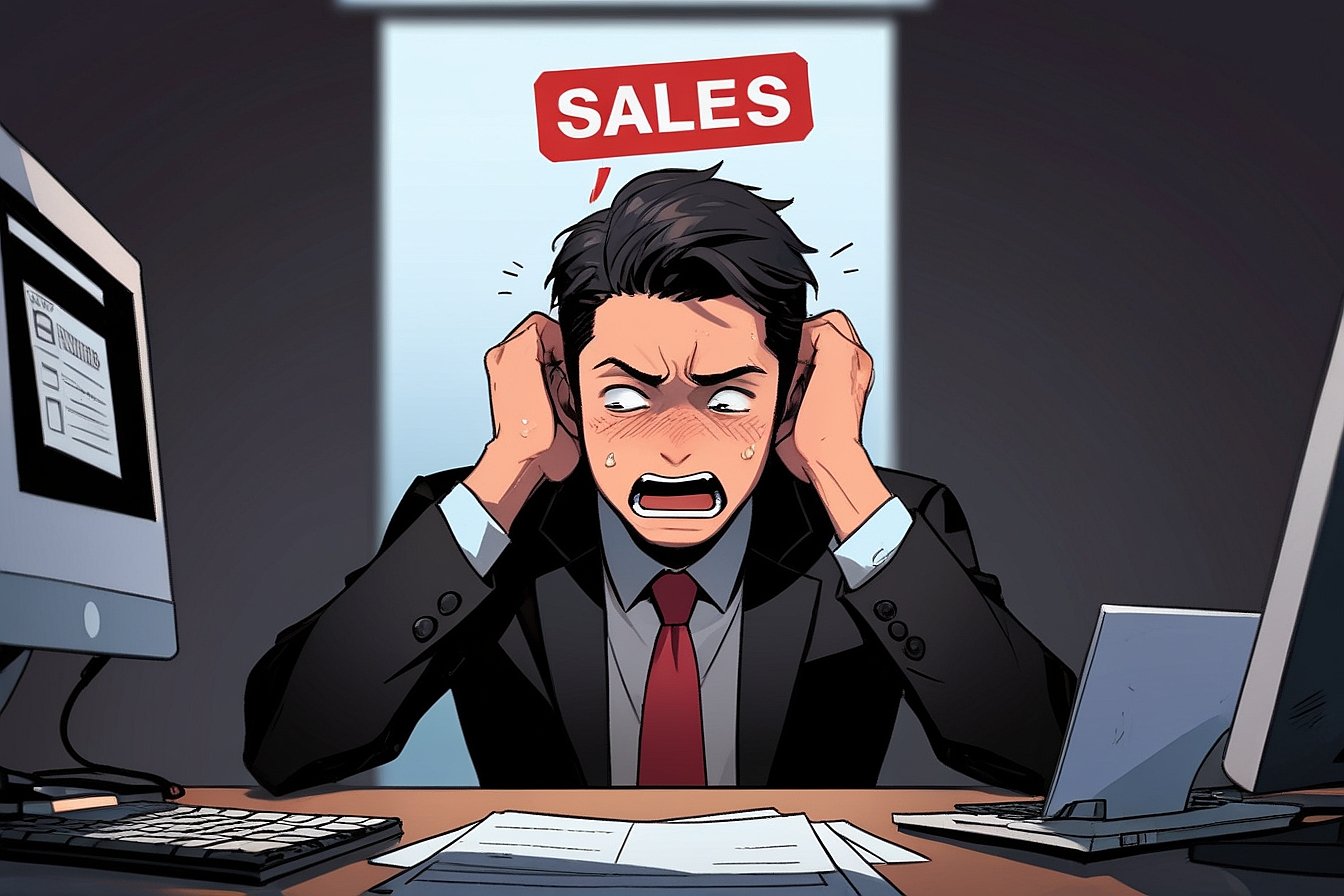
Your Inside Sales Team Isn’t Booking Meetings? This is Why!
The Real Reason Meeting Booking Has Become More Difficult
B2B Inside sales teams everywhere are feeling the shift. Even companies with strong products, clear ICPs, and experienced SDRs are struggling to book meetings consistently. The challenge does not come from a sudden drop in demand. It comes from changes in buyer behavior and the increased noise across B2B channels.
Buyers Are More Distracted, Skeptical, and Harder to Reach
Modern buyers receive more outreach than ever. Their inboxes are filled with templated messages, automated follow ups, and promotional notes that blend together. As a result, attention spans are shorter and skepticism is higher. Buyers respond only when a message is relevant, timely, and clearly tied to their priorities.
Inside Sales Teams Must Shift From Volume to Precision
The era of high volume prospecting is fading. Teams that still rely on brute force outreach see diminishing returns. The strongest b2b inside sales teams now win by prioritizing precision. They focus on accurate targeting, thoughtful messaging, multichannel execution, and intent-aware timing. Without a shift toward precision, meeting booking rates will continue to drop.
Below are the most common symptoms inside sales teams face and how to fix each one.
Symptom 1 — Low Response Rates
Low reply rates are often the first sign that something is fundamentally off. The problem usually lies in a mix of targeting and messaging.
Diagnose the Cause
Messaging sounds generic or templated
Prospects ignore messages that could have been sent to anyone. Buyers want clarity, not boilerplate.
Wrong persona or outdated ICP
If you are reaching the wrong level, the wrong function, or the wrong industry segment, even great messaging will fail.
Weak subject lines and low value openings
Subject lines that are vague or overly clever get skipped. Openings that do not provide value lead to immediate deletion.
How to Fix It
Use relevance based personalization
Relevance means connecting the message to the prospect’s workflow, problem, or environment. It is not about complimenting their career.
Apply problem first messaging
Start with the friction the prospect is already experiencing. This builds credibility and increases curiosity.
Test short, conversational formats
Shorter outreach feels more natural and increases reply rates when used correctly.
Symptom 2 — High Bounce Rates or Deliverability Issues
Even the best message cannot perform if it never reaches the inbox. Deliverability is one of the most overlooked factors in b2b inside sales productivity.
Diagnose the Cause
Stale contact lists
Emails collected months or years ago degrade quickly. High bounce rates signal list decay.
Unsafe sending domains
New domains, poorly warmed domains, or domains with negative reputations cause inbox placement issues.
Over sequencing without safeguards
Too many automated steps from a single domain can trigger spam filters.
How to Fix It
Clean data regularly
Validate contacts, update job changes, and remove risky addresses to protect your sending reputation.
Warm up domains properly
Gradual sending volume increases help ensure deliverability and inbox placement.
Improve list hygiene and segmentation
Segment lists by role, industry, and level to reduce bulk sends and unnecessary risk.
Symptom 3 — Lots of Activity, But Few Conversations
Many SDR teams look productive on paper. They book activities, complete tasks, and send thousands of emails. Yet conversations remain scarce.
Diagnose the Cause
SDRs rely too heavily on email
Email is foundational but not sufficient. Buyers need multiple touchpoints.
Weak calling scripts or fear of calling
Calling builds real conversations, but lack of confidence holds many SDRs back.
Poor LinkedIn presence or inactive profiles
Buyers often check an SDR’s profile before responding. Weak profiles reduce trust.
How to Fix It
Use multichannel cadences
Combining email, calls, and LinkedIn increases connection opportunities.
Strengthen opening lines and call frameworks
SDRs with strong openers create more live conversations and reduce call anxiety.
Optimize SDR LinkedIn profiles
Profiles should demonstrate expertise, clarity, and credibility.
Symptom 4 — SDRs Aren’t Reaching the Right Decision Makers
Reaching an inbox is not the same as reaching the true buyer. Many SDRs unknowingly target the wrong people.
Diagnose the Cause
ICP lacks clarity
Broad or outdated ICP definitions create misalignment.
SDRs chase easy to reach personas
It is faster to contact junior roles, but it rarely leads to meaningful pipeline.
Organizational mapping not done
Many accounts contain hidden decision structures. Without mapping, SDRs guess.
How to Fix It
Document technical and economic buyers
This helps SDRs know exactly who influences and approves decisions.
Use persona specific messaging
Executives need business outcomes. Operators need workflow relevance.
Train SDRs on multithreading
Reaching multiple stakeholders increases meeting conversion.
Symptom 5 — Prospects Push Back With “Not Interested” or “No Need”
This is often a sign of weak positioning, poor timing, or lack of relevance.
Diagnose the Cause
Messaging focuses on features instead of problems
Buyers do not care about features without understanding the problem they solve.
SDRs act like sellers, not problem solvers
The moment a message feels salesy, buyers disengage.
No trigger based timing
Even strong messaging fails if the timing is wrong.
How to Fix It
Shift to pain aligned positioning
Messaging should reflect the friction your prospect faces in their current environment.
Train SDRs in consultative outreach
SDRs should sound like advisors who understand industry pain points.
Use trigger events and intent signals
Job changes, funding, hiring, and consumption trends greatly improve timing.
Symptom 6 — Meetings That Are Booked Often Cancel or No Show
Booking a meeting is only the beginning. Retaining it requires clarity, qualification, and follow up.
Diagnose the Cause
Low value meeting descriptions
If prospects do not know why the meeting matters, they will cancel.
Poorly qualified prospects
Weak qualification leads to uncommitted prospects.
Weak confirmations or reminders
Buyers forget. SDRs need structured reminder systems.
How to Fix It
Clarify meeting value
Tell prospects exactly what they will gain from attending.
Use two step qualification
Short qualifying questions before scheduling helps filter low intent leads.
Improve calendar invites and reminders
Clear agendas and well timed reminders reduce no shows.
Symptom 7 — SDRs Lack Confidence or Skill in Conversations
Confidence issues show up in tone, pacing, and objection handling.
Diagnose the Cause
Weak onboarding
Many SDRs start without the context they need to succeed.
No call coaching or role playing
Without practice, SDRs repeat the same mistakes.
Inconsistent messaging frameworks
Lack of structure creates uncertainty and hesitation.
How to Fix It
Build repeatable scripts and objection matrices
These give SDRs predictable paths through tough conversations.
Include weekly call reviews
Call reviews build skill and confidence quickly.
Teach pattern interrupts and credibility lines
These techniques help SDRs break through prospect resistance.
Symptom 8 — Poor Alignment Between Marketing, SDRs, and AEs
When teams operate separately, meeting booking slows and pipeline quality drops.
Diagnose the Cause
No shared SLA
Teams drift without a clear agreement on responsibilities.
Disagreement on what qualifies as an SQL
SDRs pass leads that AEs reject, which wastes time.
Broken feedback loops
SDRs never learn which leads convert and which fail.
How to Fix It
Define SQL criteria clearly
This gives SDRs confidence in what to pass forward.
Build cross functional weekly syncs
Regular communication increases alignment.
Create structured handoff processes
Smooth transitions reduce friction for prospects and AEs.
The Inside Sales Troubleshooting Checklist
A high performing b2b inside sales team evaluates these areas regularly:
ICP and persona clarity
Ensure roles, industries, and needs are well defined.
Messaging relevance
Focus on problems and workflows rather than surface level personalization.
Channel mix and cadence quality
Leverage multichannel sequences instead of email only outreach.
Data health and deliverability
Protect the inbox with clean lists and warm sending domains.
Skill development and coaching
Invest in role plays, call reviews, and feedback.
Timing and trigger signals
Align outreach with buying behavior patterns.
Final Thoughts
B2B Inside sales success is not about sending more messages. It is about reaching the right buyers with relevant, timely, and credible communication. When teams fix targeting, messaging, data quality, alignment, and skill gaps, meeting booking increases significantly. A precision based approach allows SDRs to generate higher quality conversations and build pipeline more efficiently.
Find what you’re reading informative so far? Then why not read more by visiting our blog? We keep you up-to-date every week with how-to guides and strategies to B2B lead generation every single week! Click here to get started!